
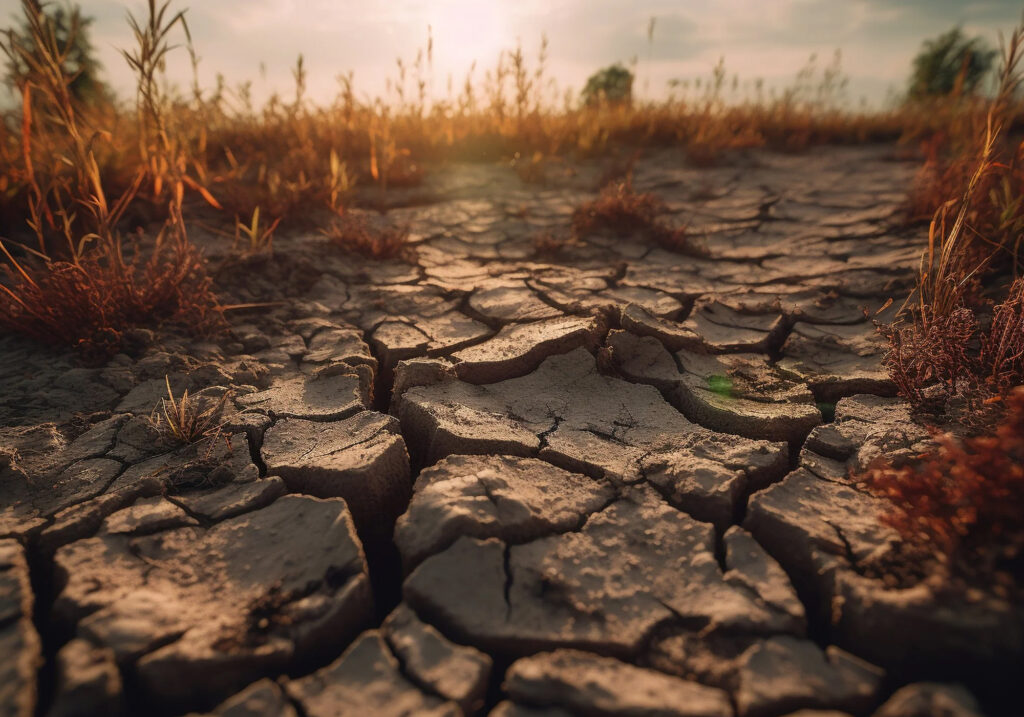
Droughts put real pressure on crop productivity and long-term farm viability, and as dry spells intensify, farmers need every tool available to manage them. Tile drainage — usually thought of as a wet-year fix — turns out to help in dry years too.
Understanding the Connection
Tile drainage systems bury perforated pipe beneath fields to remove excess water from the soil. That’s the conventional use case, but the same infrastructure delivers real advantages during drought.
How Tile Drainage Helps in Dry Years
Increased soil aeration — drought-driven rainfall shortages compact soil, and tile systems stabilize the water table to keep roots able to expand and breathe
Controlled water management — farmers can direct limited moisture where it does the most good
Extended growing seasons — well-drained fields allow earlier spring planting and later fall harvest, capturing rain outside the standard window
Reduced soil erosion — dry conditions raise erosion risk, and drainage keeps soil composition stable
Sustainable soil health — consistent moisture management builds resilience over time
A Practical Tool for a Changing Climate
Tile drainage gives farmers a practical way to build resilience against drought — through better soil structure, smarter water management, and more flexible planting and harvest windows. As climate patterns keep shifting, that resilience becomes increasingly valuable for long-term food security.
Build Resilience with Farm X
Farm X’s Soil-Max tile plows put drainage installation in your hands, so you can build that resilience on your own timeline.