
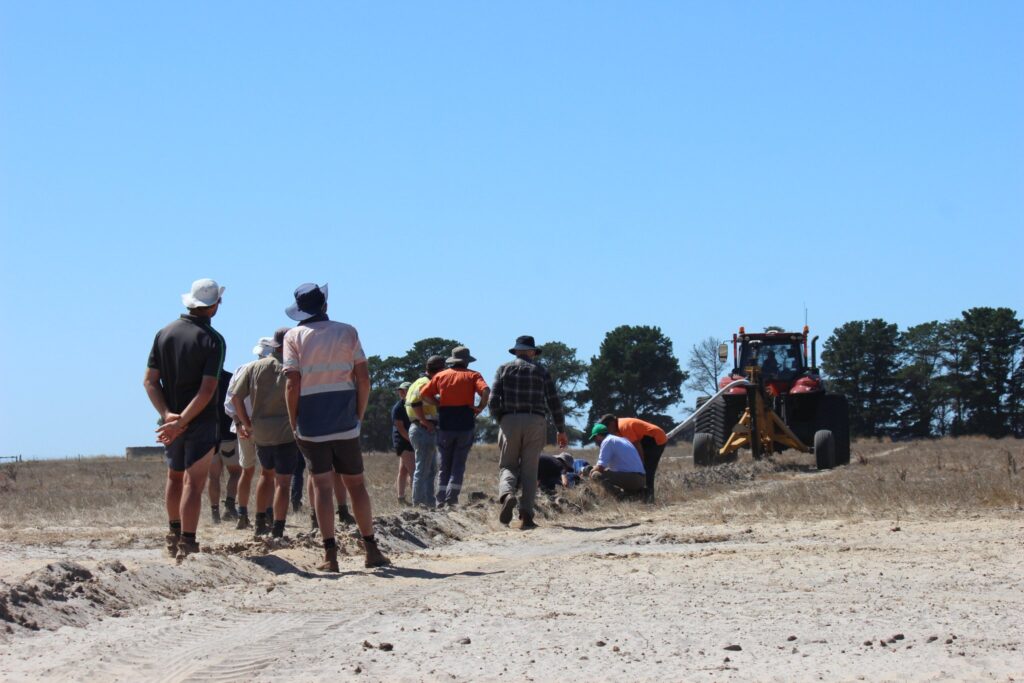
Field tile drainage uses a buried network of perforated pipes to pull excess water out of the root zone, giving crops the balance of moisture and oxygen they need to thrive. Here’s how it works, what it costs, and what’s next for the technology.
What Is Field Tile Drainage?
Field tile drainage manages excess soil water using perforated tiles — typically durable plastic — buried underground to collect and transport water away from crop roots. It outperforms surface drainage by maintaining consistent soil moisture, which supports both yield and erosion control.
Benefits of Field Tile Drainage
- Enhanced crop production through better root development and nutrient uptake
- Reduced waterlogging and the root diseases that come with it
- Improved soil aeration, structure, and overall fertility
- Long-term cost savings that offset the initial installation investment
- Higher land value thanks to improved productivity and lower flood risk
How Installation Works
- Planning and design — assess soil type, topography, and crop needs to lay out the system
- Tile placement — a tile plow lays drain tile at the correct depth and alignment in a single pass
- Backfilling — trenches are closed to support the tile and restore the field surface
- Testing and maintenance — the system is inspected on a regular schedule and blockages are cleared promptly
Types of Field Tile Drainage Systems
- Conventional systems — perforated tile placed at a fixed depth to manage drainage continuously
- Controlled drainage — adjustable outlets let you regulate the water table by season
- Subsurface drip combinations — drainage paired with irrigation to manage both excess and shortfall
What Drives the Cost
- Field size — larger fields need more tile and more installation time
- Soil type — some soils require specialized tile or methods
- Tile quality — higher-quality tile costs more upfront but lasts longer
- Installation complexity — irregular terrain adds time and expense
Where the Technology Is Headed
Smart drainage systems with sensors and real-time data, more sustainable tile materials, and continued improvements in durability are all pushing field tile drainage further — meaning even more value for farmers who install it well.
Get Expert Guidance
Farm X provides drainage design guidance and the Soil-Max tile plow equipment to install it. Investing in the right field tile drainage system now can transform your operation’s productivity for decades.