
Water quality is the foundation of every aquaculture operation. Traditional chemical disinfectants like chlorine and ozone get the job done, but they leave residues, disrupt natural ecosystems, and raise antibiotic-resistance concerns. UV-C disinfection offers a cleaner path.
How UV-C Disinfection Works
UV-C harnesses high-energy ultraviolet light to disrupt the DNA of bacteria, viruses, and other microorganisms, preventing them from reproducing — with no chemical additives, low energy use, and a simple system that needs little maintenance.
What It Means for Fish Health and Operations
- Pristine water quality — neutralizes bacteria, viruses, and harmful microorganisms that drive disease outbreaks
- Less chemical reliance — cleaner harvested product, protected surrounding ecosystems, and lower recurring costs
- Sustainable water recycling — treat and reuse water on-site, cutting waste and easing water-scarcity pressure
- Energy efficiency — rapid disinfection with minimal power draw
The Economic and Environmental Case
Lower chemical purchases, lower electricity use, and fewer disease-related losses all improve profitability, while reduced chemical use helps operations meet increasingly strict environmental regulations and build a stronger reputation with environmentally conscious buyers.
Getting Started with UV-C
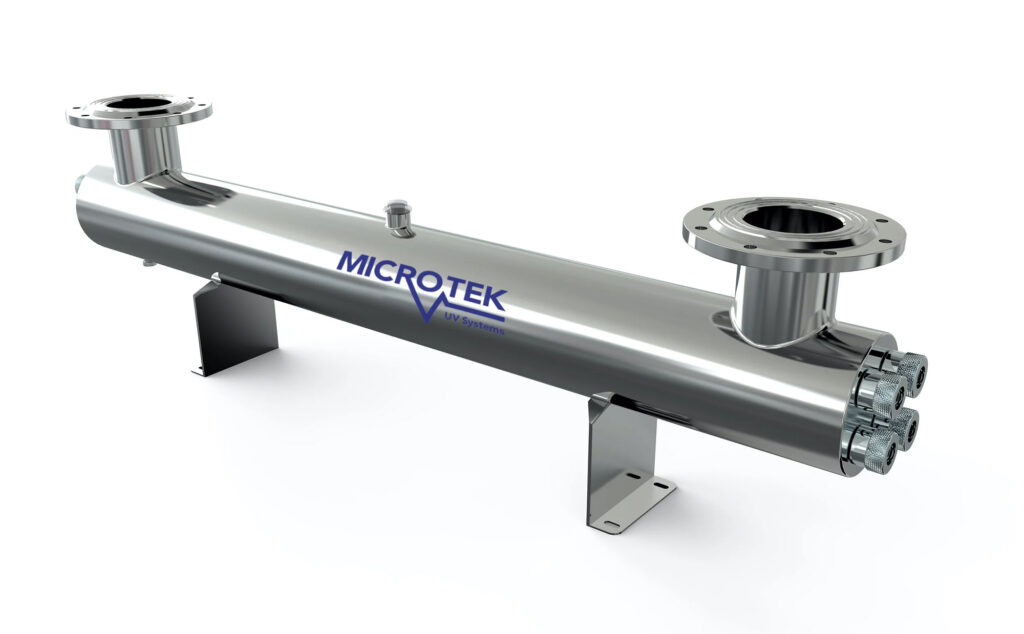
A Farm X assessment covers your water flow rate, contamination levels, and how a MicroTek system integrates with your existing infrastructure — followed by straightforward installation and light ongoing maintenance like routine lamp cleaning.
The Bottom Line
Operations that switch from chemical treatment to UV-C consistently report fewer disease outbreaks, clearer water, and real savings on chemicals and maintenance — making it a smart move for any aquaculture operation working toward more sustainable practices.