Tile drainage is one of the most reliable ways to manage excess field water — and the yield data behind it is hard to ignore. Here’s how the system works, what it costs, and how to keep one performing for the long haul.
How Tile Drainage Works
A tile drainage system uses perforated plastic tubing buried 3 to 5 feet underground to draw away water the soil can’t hold, reducing saturation and improving aeration. Water enters the tubing from the surrounding soil and moves by gravity through lateral lines into larger main drain lines, which carry it to an outlet — typically a nearby ditch or stream. Filtering out soil particles while letting water through keeps the system running clean, minimizes erosion, and gives it a long service life with little upkeep.
Why It Boosts Yields
Well-aerated soil lets roots grow deeper, absorb nutrients more effectively, and stay clear of the root diseases that thrive in wet conditions. On fields that need it, a properly designed and installed system commonly delivers yield increases in the 15% to 25% range, driven by three factors:
- Timely planting — fields dry out faster after wet springs, so you can plant at the optimal window instead of waiting out saturated ground
- Less compaction — drier soil resists compaction, letting roots penetrate deeper and access more nutrients
- Uniform moisture — consistent conditions across the field reduce the patchy, uneven yields that come with variable saturation
Installation and Maintenance Basics
Depth and spacing drive performance: tubing is typically placed 3 to 5 feet deep, with spacing adjusted for soil type and crop needs — tighter spacing for fields prone to heavy saturation. Hire contractors with a proven track record and working knowledge of local regulations, and use quality perforated tubing (with filter socks in fine-textured soils) to avoid clogging.
Once installed, stay ahead of problems with routine checks: inspect outlets and inlets for blockages, watch for uneven water flow or surface sinkholes after heavy rain, and flush the system annually with a high-pressure water jet to clear sediment. Inspection ports and root barriers make ongoing maintenance easier and help prevent root intrusion in areas prone to aggressive root growth.
What It Costs
A comprehensive system typically runs $800 to $1,000 per acre, covering materials, installation labor, surveying and design, and any required permits. Agricultural loans, cost-share programs through government or extension agencies, and equipment leasing can all help offset the upfront cost.
Pairing It with Sustainable Practices
Tile drainage works well alongside no-till farming and cover cropping — both benefit from the consistent, well-aerated soil that drainage provides, while helping prevent erosion and build long-term soil health of their own.
Talk to Farm X
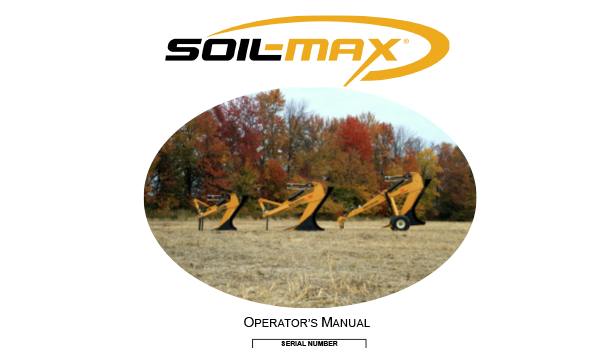
If you’re evaluating tile drainage for your operation, the Soil-Max Tile Plow gives you a way to install and maintain the system yourself. Reach out to Farm X for guidance on sizing a system to your fields.